
The WakeSharp Blog
Sleep science, morning routines and the occasional product update — from the maker of the alarm that checks you're actually sharp.
Sleep Science
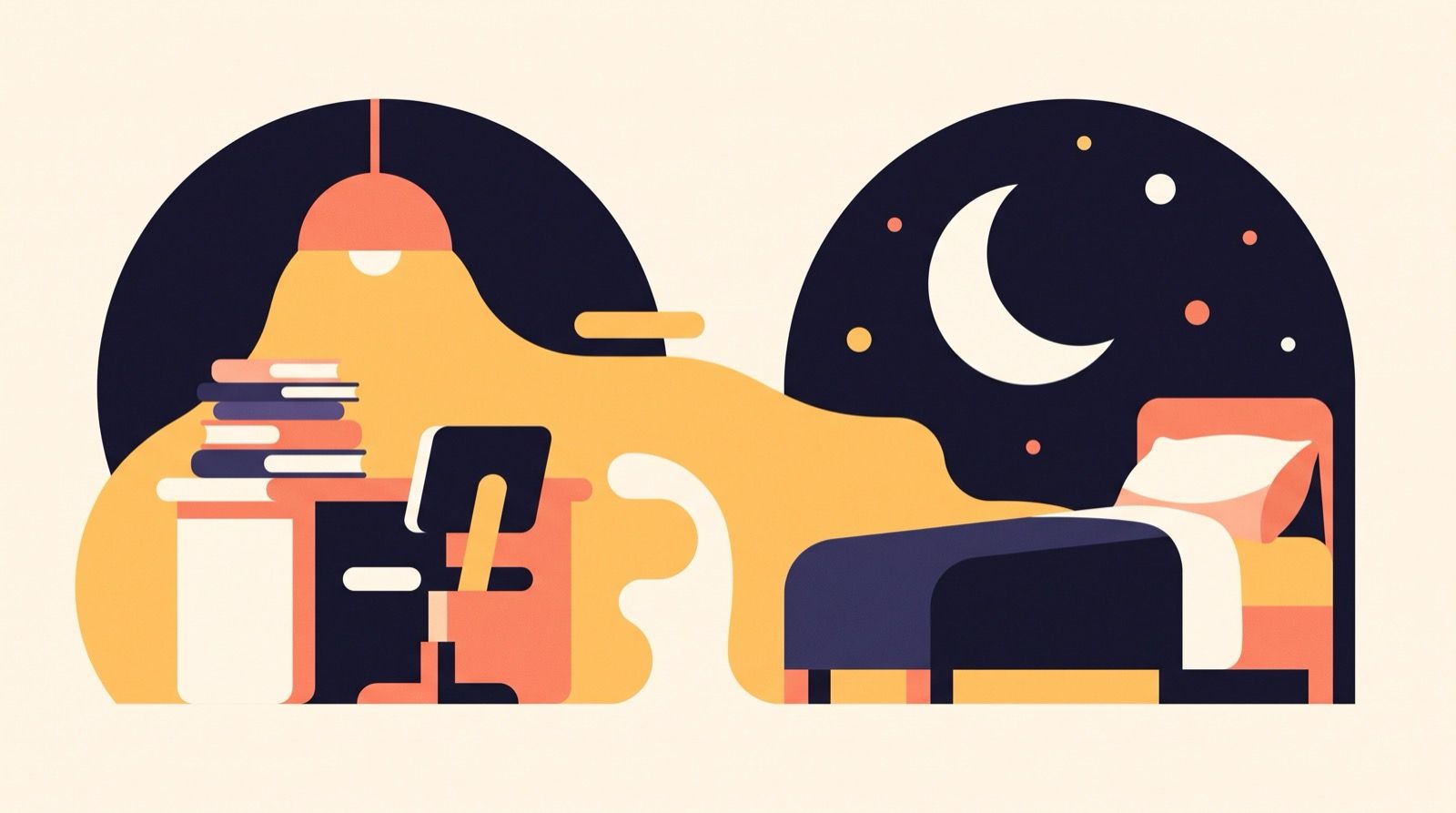
The All-Nighter Math: Why 6 Hours of Sleep Beats 2 More Hours of Cramming
It is 1 a.m. and the exam is at nine. What the research says about trading sleep for cramming, and the least bad plan if you are already behind.
9 Sept 2026 · 12 min read
Sleep Science
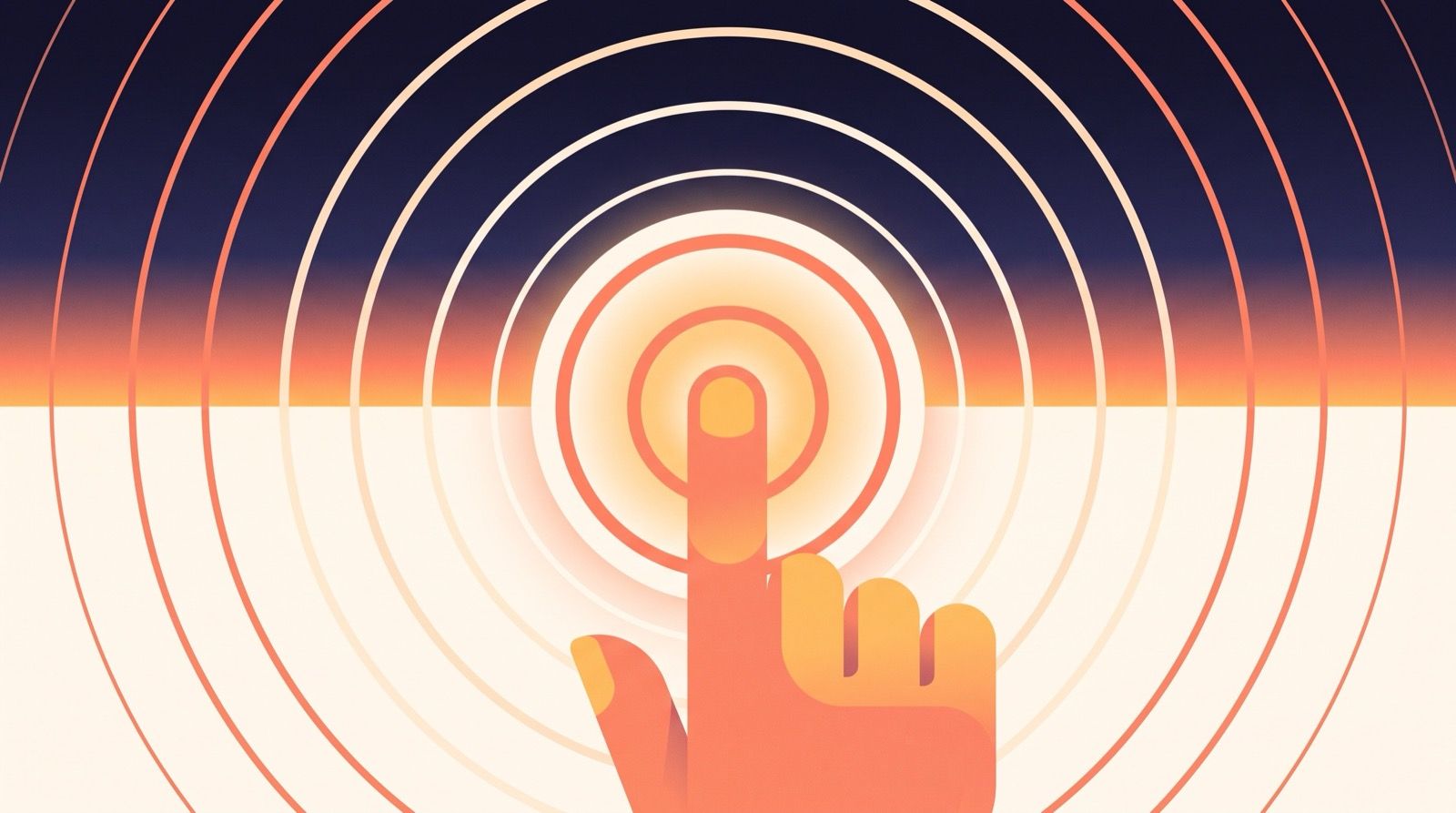
Your Reaction Time at 7 AM Is Worse Than You Think
Sleep inertia shows up in milliseconds. What the psychomotor vigilance task reveals about your reaction time at 7 AM, and how to measure your own.
9 Sept 2026 · 10 min read
Sleep Science
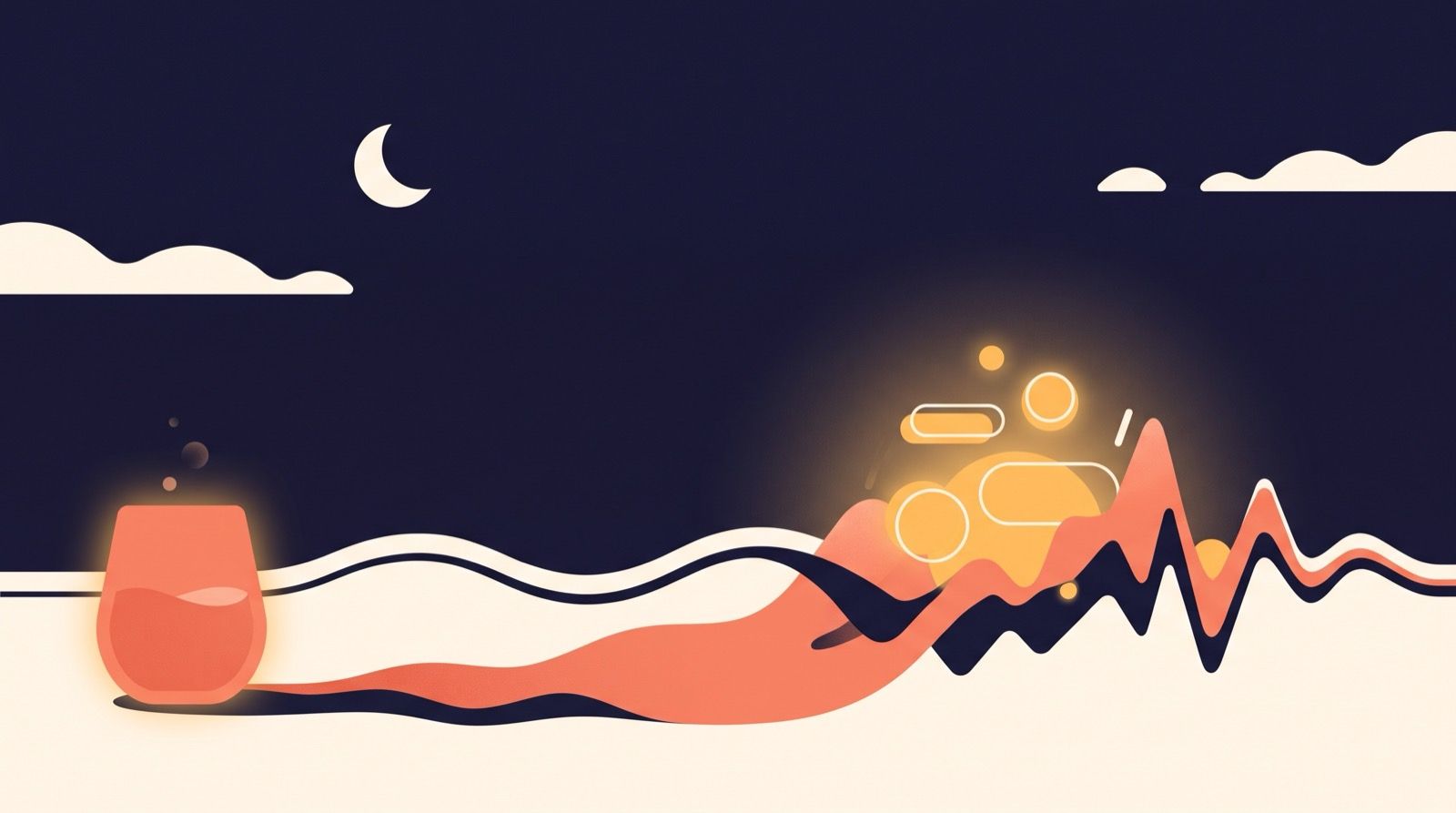
How Alcohol Rewrites Your Sleep Architecture (and Your Morning)
Alcohol knocks you out fast, then wrecks the second half of the night. What sedation does to REM, your heart rate and the morning after.
8 Sept 2026 · 10 min read
Productivity
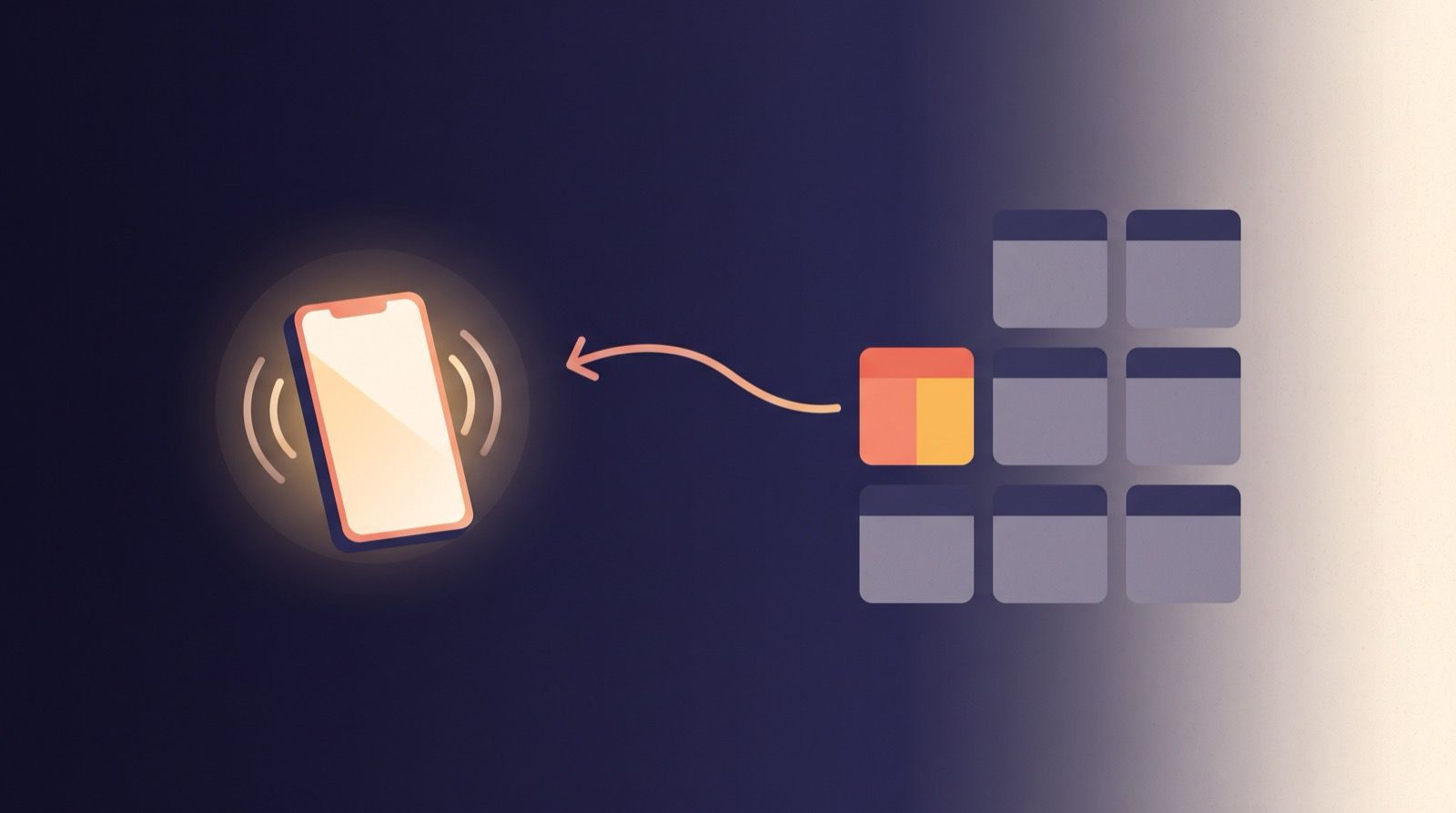
The Meeting-Ready Morning: Work Backward From Your Calendar
The 8:57 panic join is a scheduling error, not a character flaw. Set the alarm from your first meeting instead of a round number you picked months ago.
8 Sept 2026 · 11 min read
Sleep Science
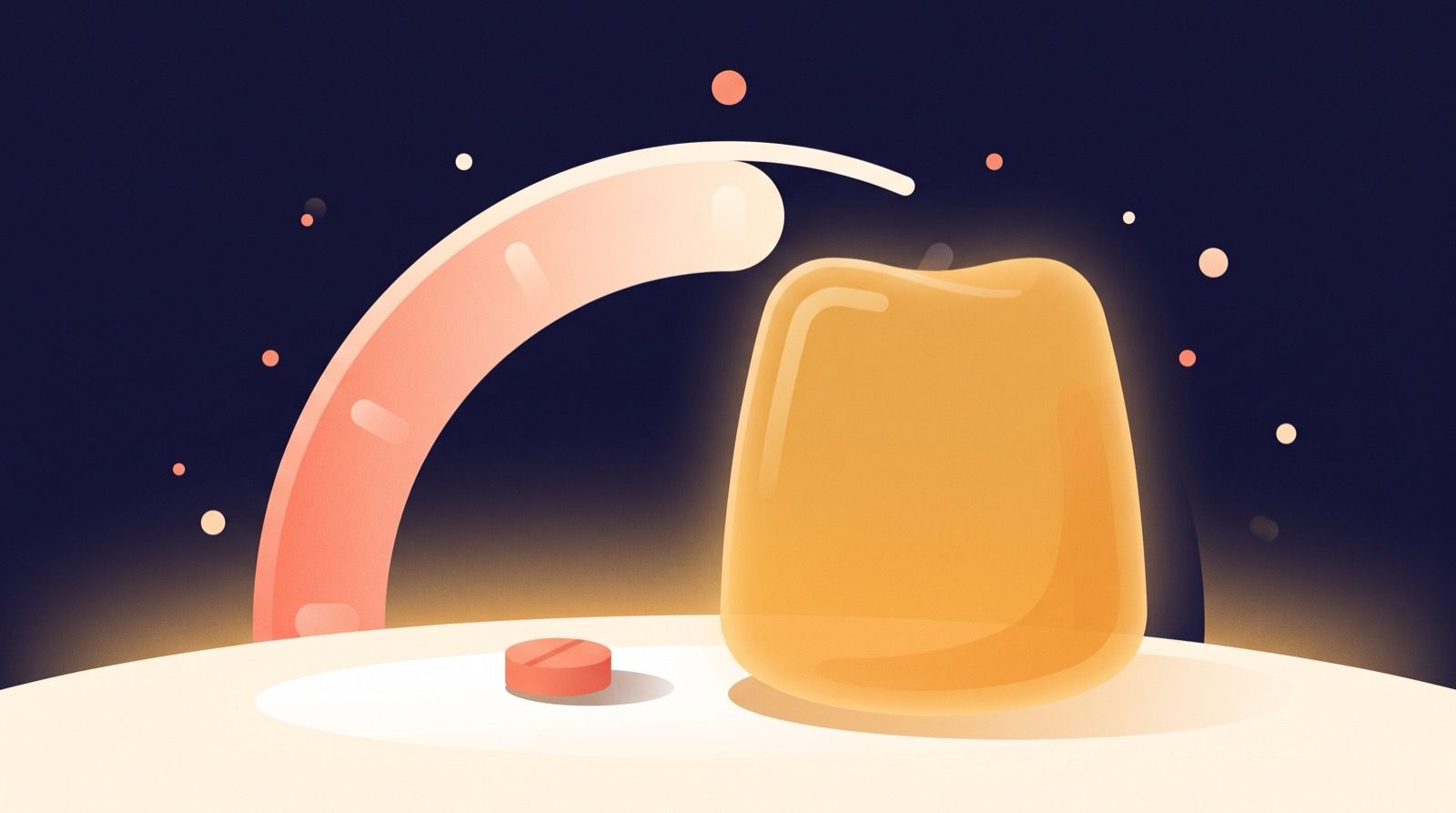
Melatonin: Why Less Is More (and When It Does Nothing)
Melatonin is a timing signal, not a sedative. What the evidence says about 0.5 mg versus 10 mg gummies, when to take it, and when it does nothing.
7 Sept 2026 · 10 min read
Sleep Science
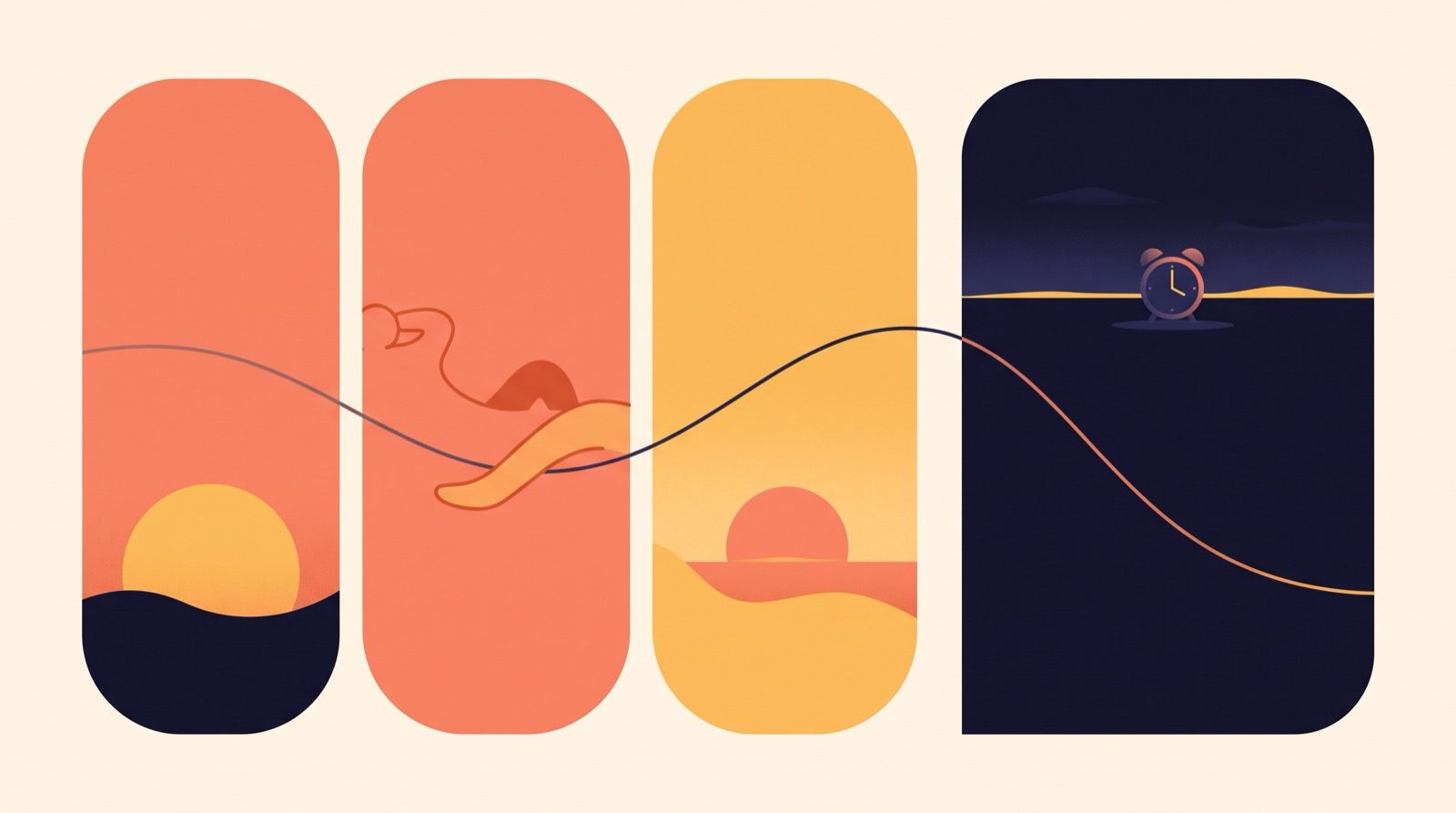
The Long-Weekend Effect: Why Tuesday Feels Like Double Monday
Three days of drift is a small self-inflicted time zone shift. A recovery plan for today, tonight and tomorrow, before the short week starts.
7 Sept 2026 · 11 min read
Sleep Science
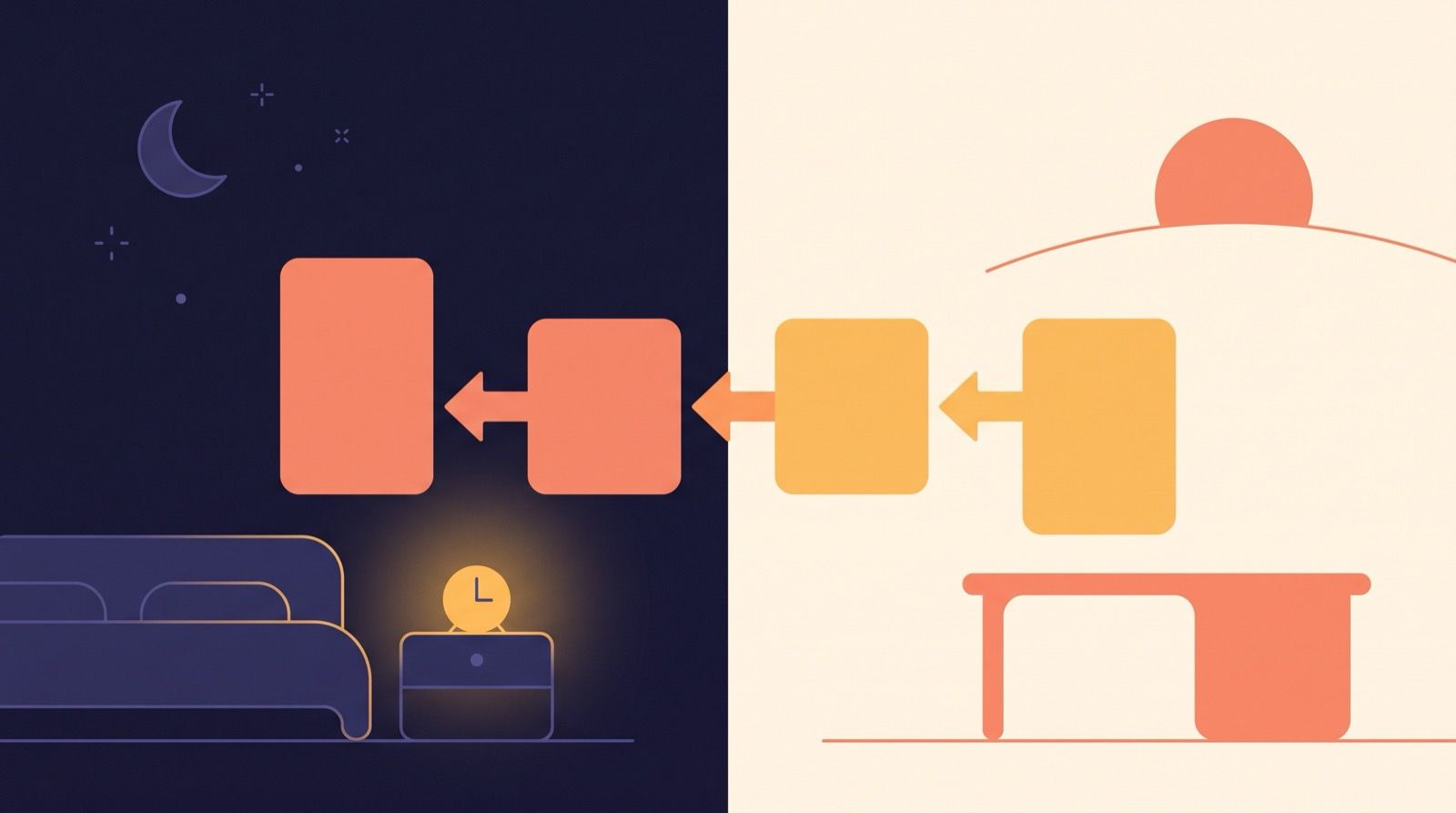
What Time Should You Go to Bed? Work Backward From Sharp
Stop counting eight hours back from your alarm. Count back from tomorrow's first real commitment, then budget grogginess, latency and time in bed.
6 Sept 2026 · 10 min read
Morning Routines
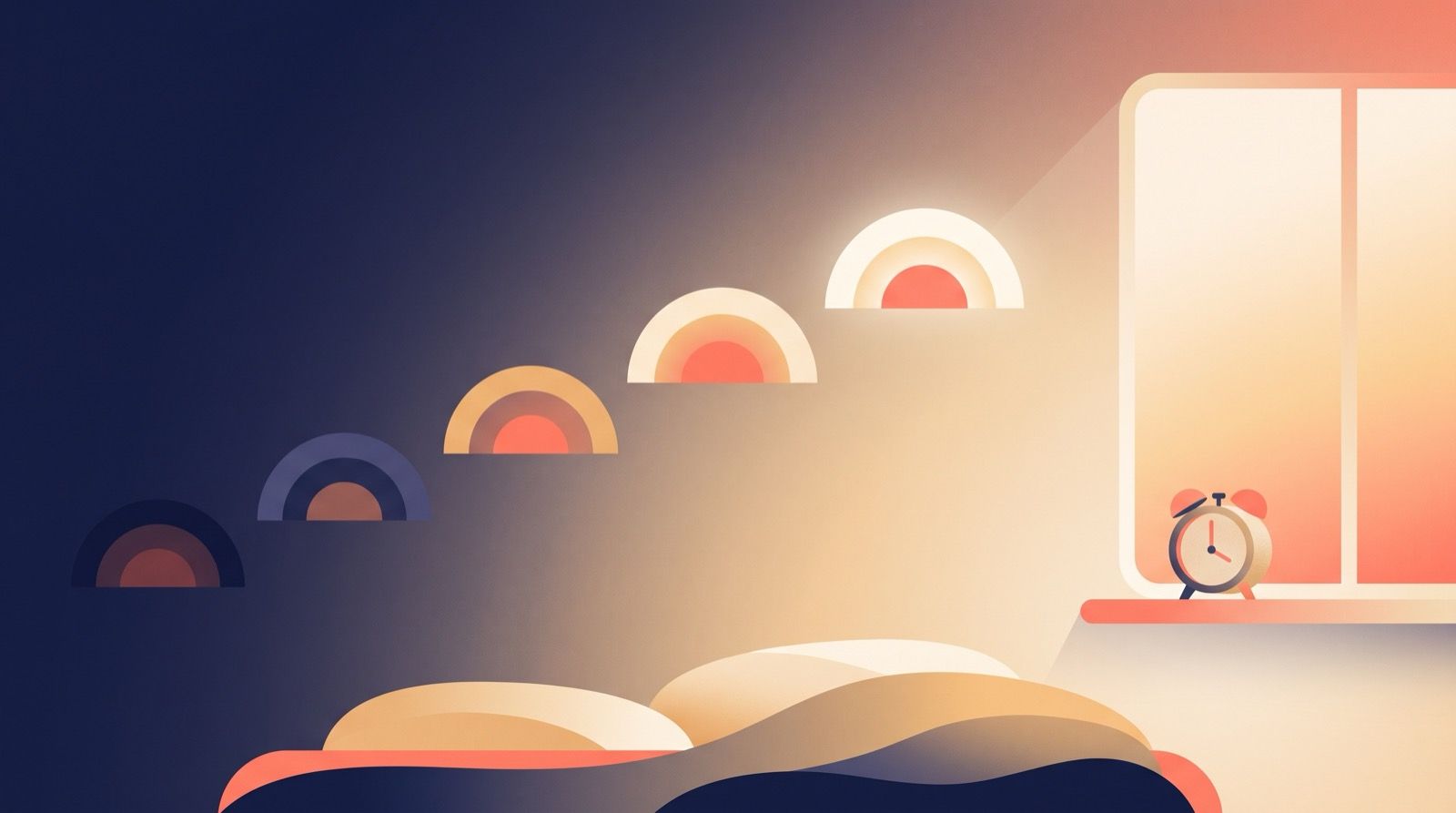
How to Become a Morning Person Without Hating Your Life
A chronotype-respecting plan for waking earlier: 15-minute shifts, light at both ends of the day, and why 5 AM club maximalism collapses by Thursday.
6 Sept 2026 · 11 min read
Sleep Science
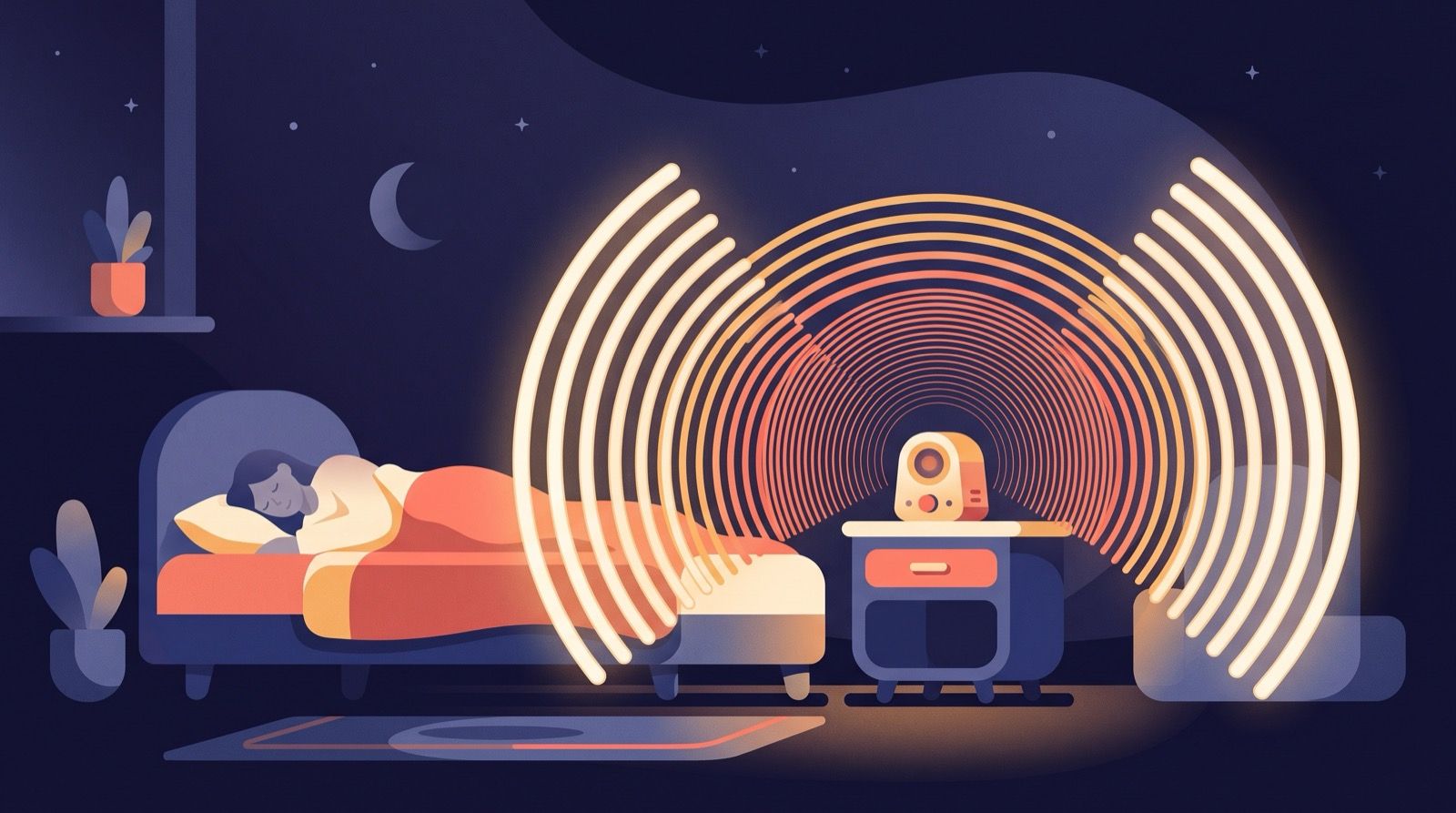
White Noise, Pink Noise, Brown Noise: What Helps You Fall Asleep?
White, pink and brown noise all work the same way: masking. Here is what the research actually shows, and how to set it up without losing your alarm.
5 Sept 2026 · 11 min read
Sleep Science
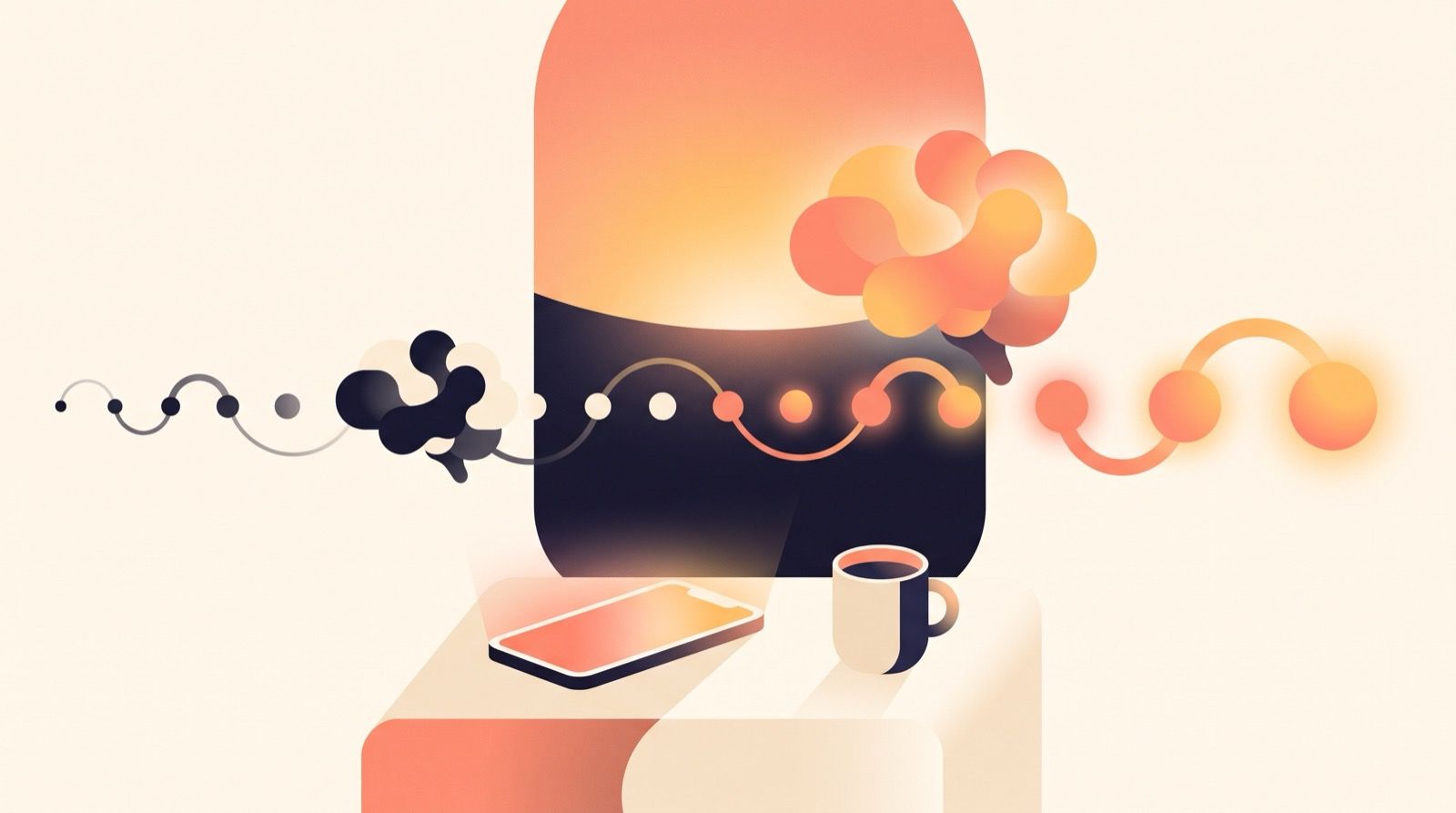
The First 30 Minutes: What Happens in Your Brain Between Alarm and Coffee
A minute-by-minute account of the first half hour after your alarm: the cortisol surge, leftover adenosine, and why your prefrontal cortex arrives last.
5 Sept 2026 · 12 min read
Sleep Science
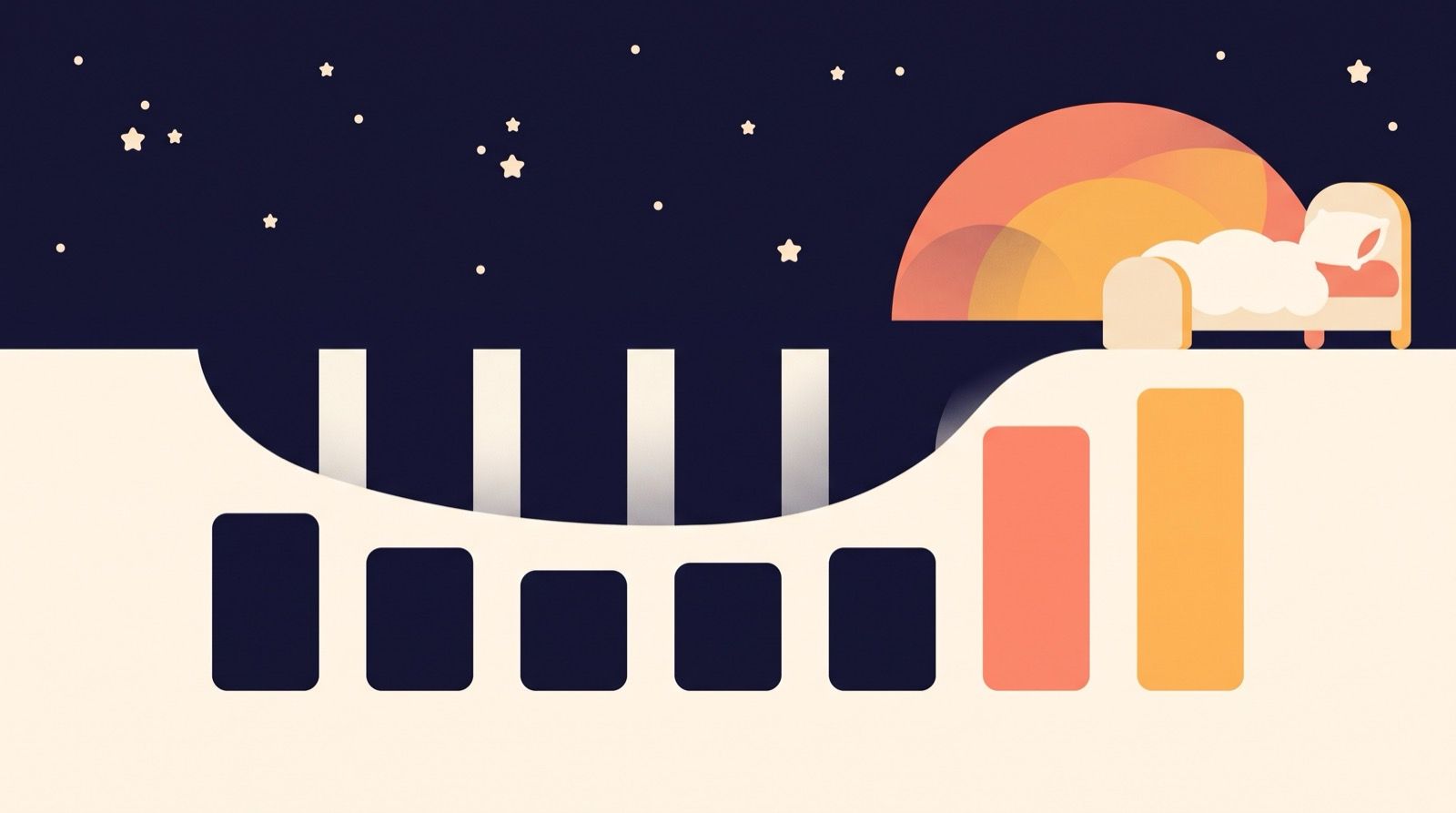
Sleep Debt Is Real. Weekend Lie-Ins Aren't the Fix
Recovery sleep repays some of what you lost. It does not repay your body clock. What a weekend lie-in buys back, and what it charges on Monday.
4 Sept 2026 · 11 min read
Morning Routines
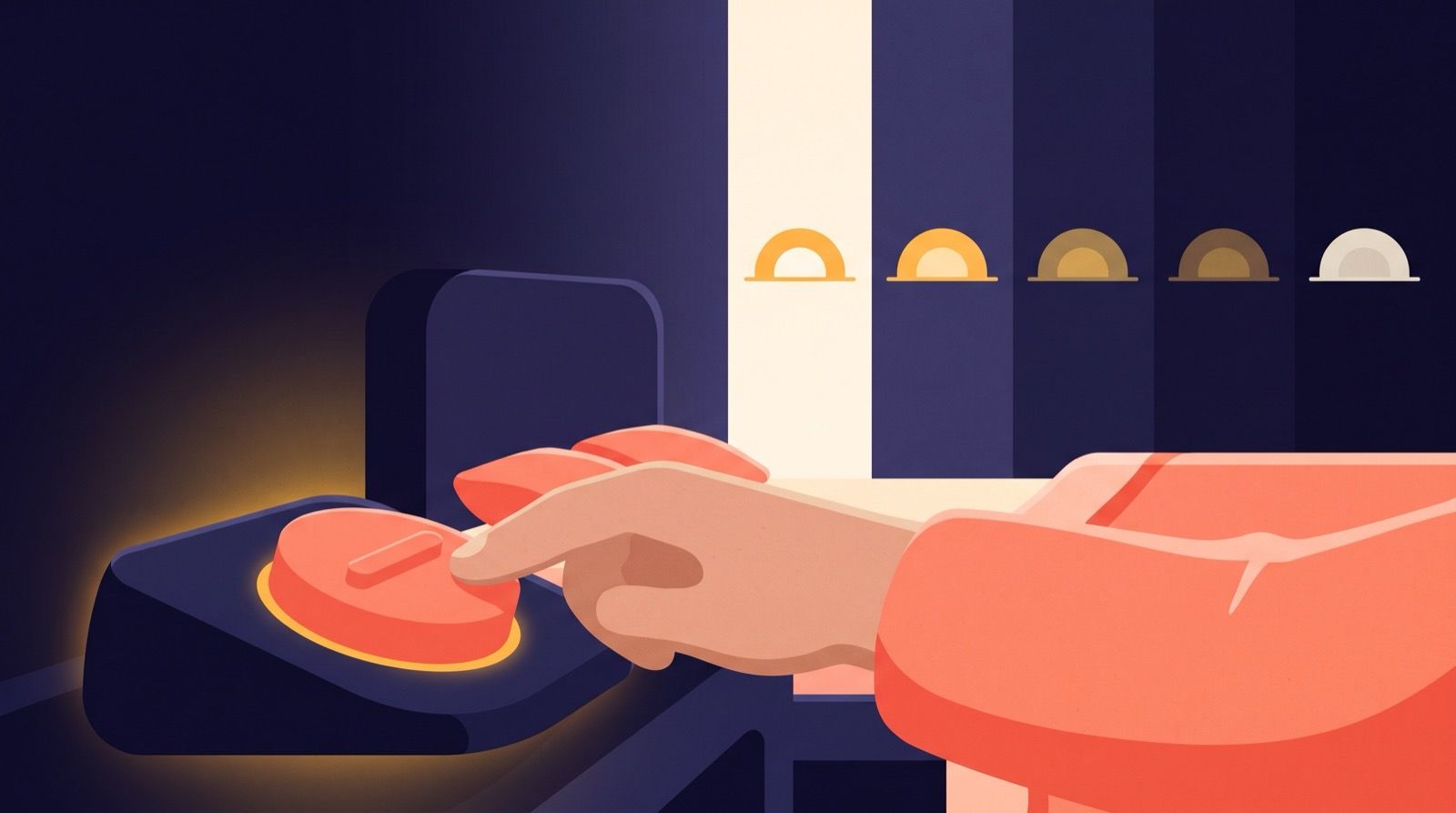
Why the Snooze Button Feels So Good (and What It Costs)
Snoozing is not a character flaw, and the research is kinder to it than the headlines. What those eleven minutes actually cost, and what they do not.
4 Sept 2026 · 11 min read
Sleep Science
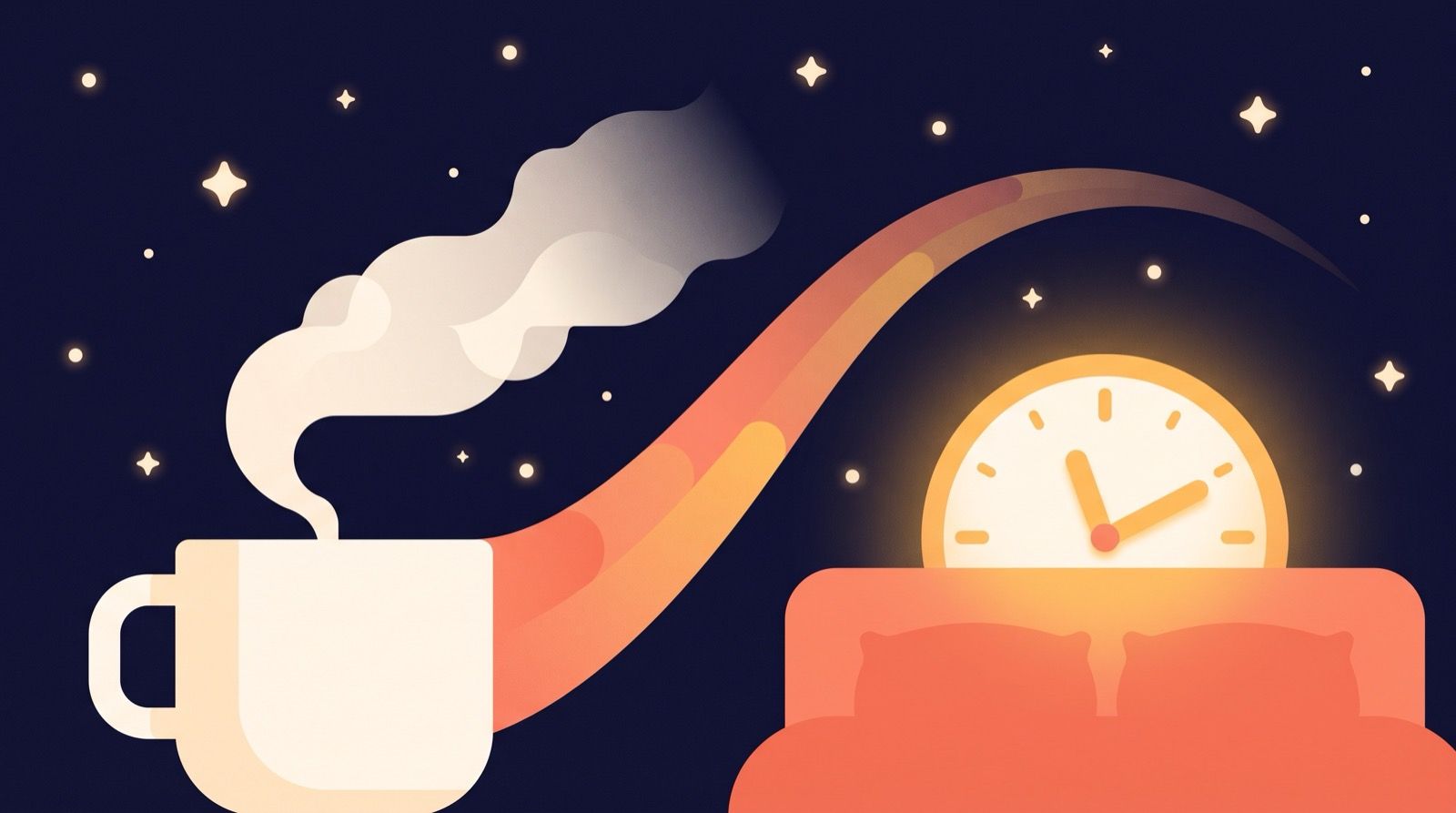
Caffeine's 10-Hour Tail: When Your Last Coffee Should Really Be
Caffeine's half-life means a 3 PM coffee is still working at bedtime. The pharmacology, a personal cutoff calculation, and a one-week sensitivity test.
3 Sept 2026 · 10 min read
Sleep Science
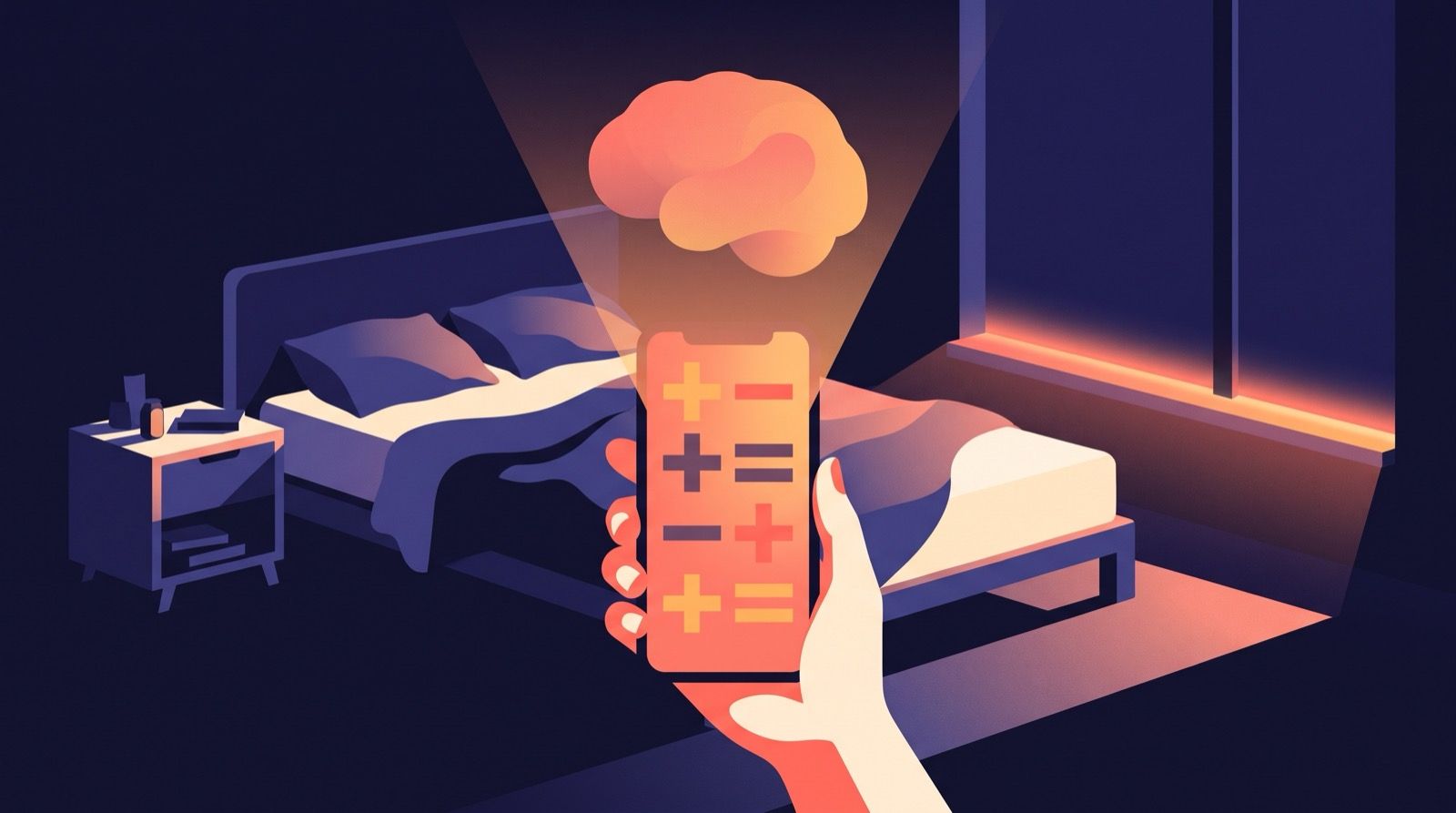
Math Problems at 6 AM: The Science of Why Solving Beats Snoozing
Why your brain fails arithmetic worse right after waking than after a sleepless night, and what a math alarm clock actually does about it.
3 Sept 2026 · 10 min read
Sleep Science
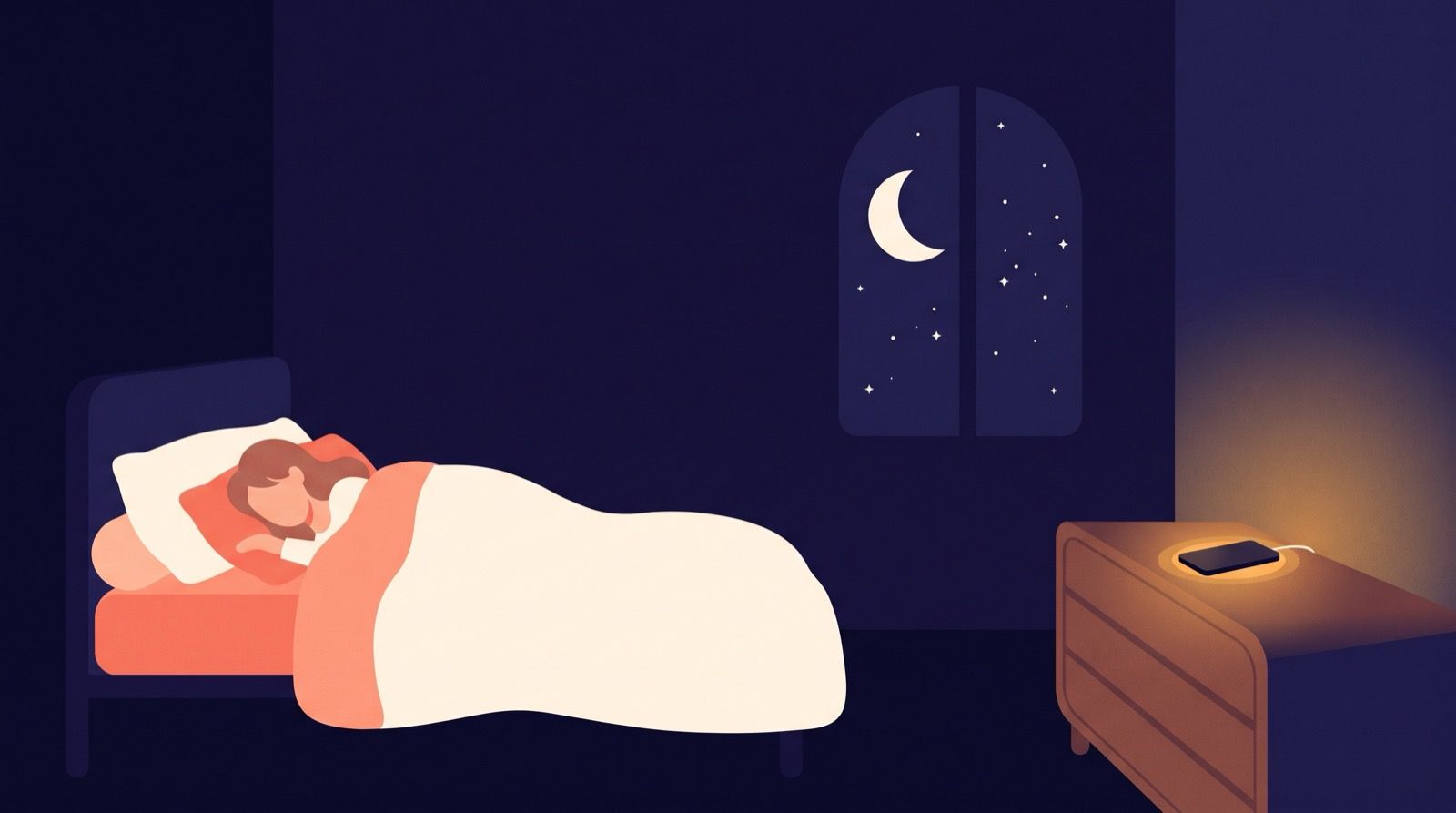
Your Phone Sleeps in Your Bedroom. Should It?
Your phone is your alarm, so it stays. What the research says about light, notifications and charging distance, and what to change tonight.
2 Sept 2026 · 11 min read
Tips & Tricks
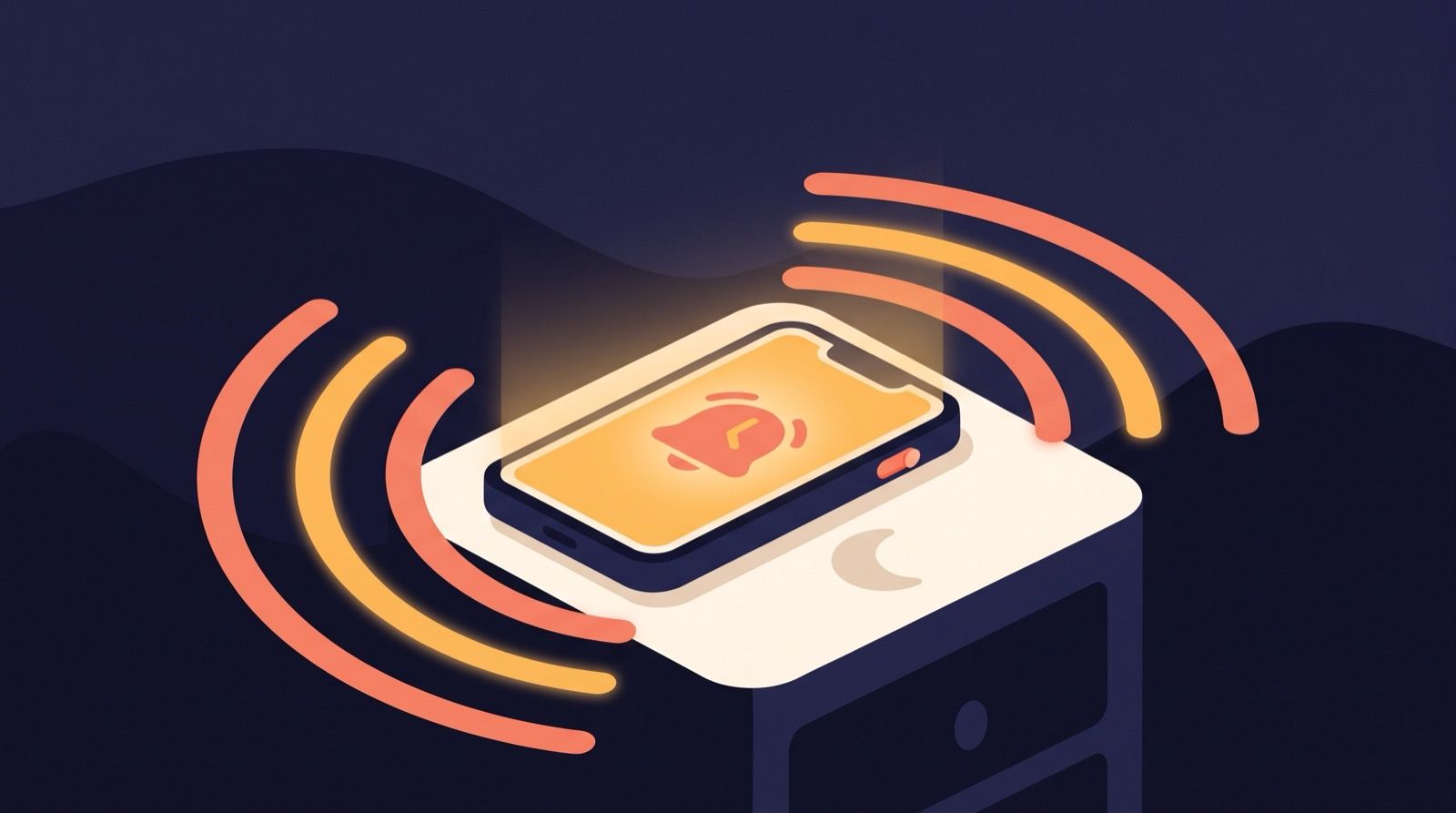
Will Your Alarm Ring on Silent? iPhone and Android, Answered
Does your alarm ring on silent? Yes on both iPhone and Android, with real exceptions. A platform by platform truth table for Silent, Focus and Do Not Disturb.
2 Sept 2026 · 12 min read
Sleep Science
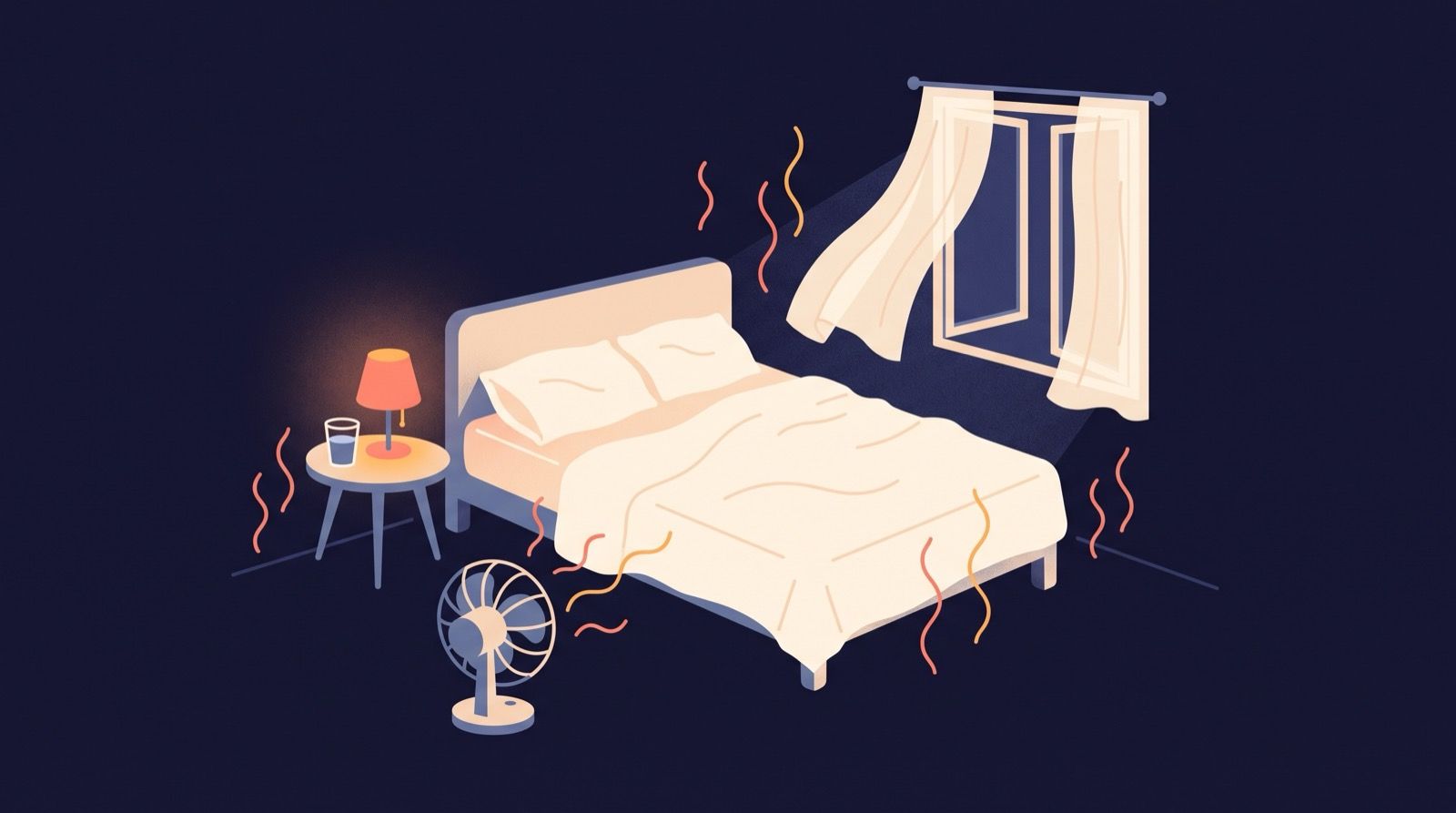
Hot Nights, Sharp Mornings: Sleeping Through Late-Summer Heat
Heat blocks the core-temperature drop that starts sleep. Six fixes to run tonight, and an honest way to see what a hot night cost you tomorrow.
1 Sept 2026 · 12 min read
Tips & Tricks
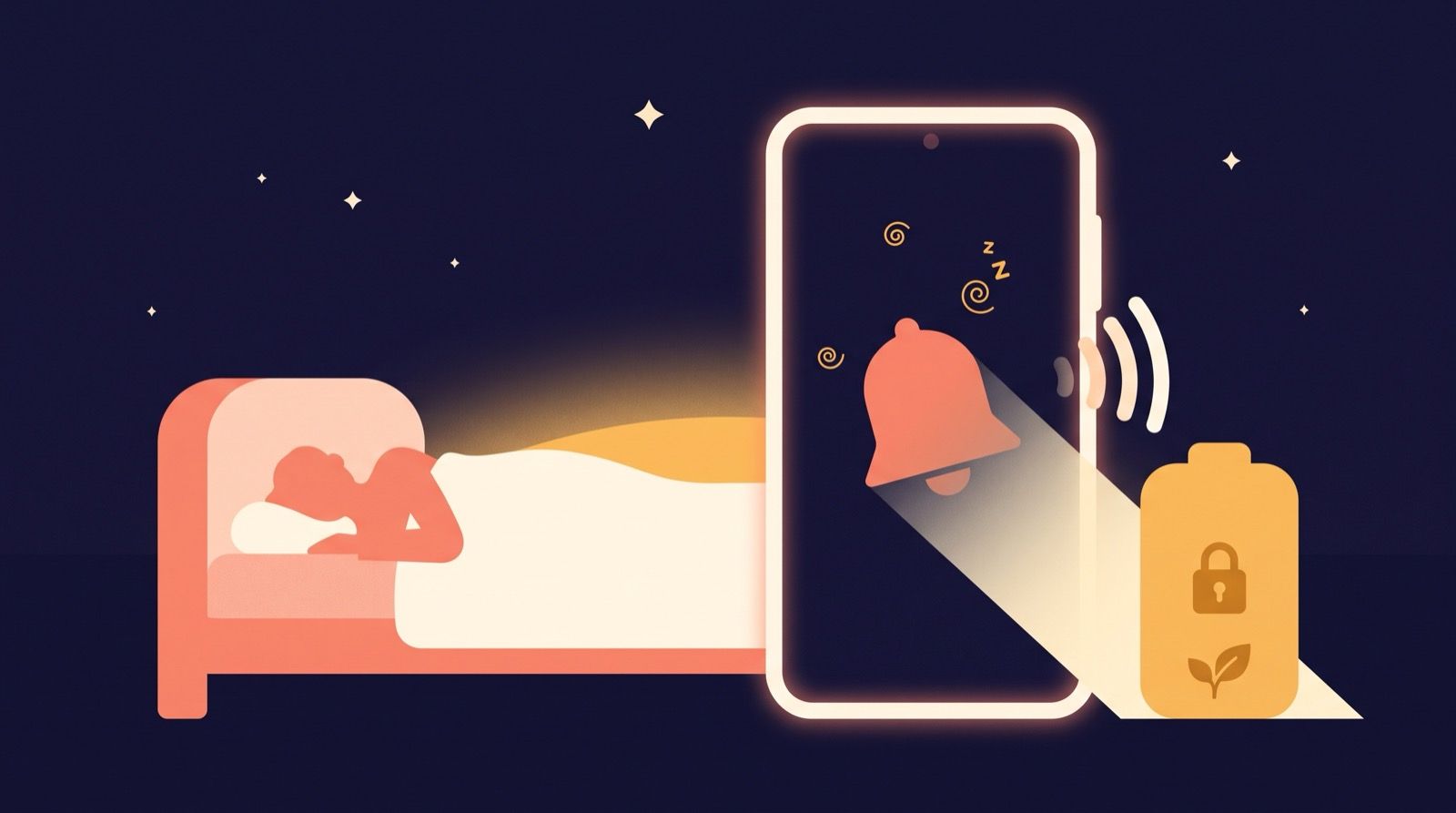
Android Alarm Not Ringing? Blame the Battery Optimizer
Your Android alarm didn't go off? Doze, exact alarm permissions and your phone maker's battery manager are the usual culprits. Per brand fixes for tonight.
1 Sept 2026 · 11 min read
Tips & Tricks
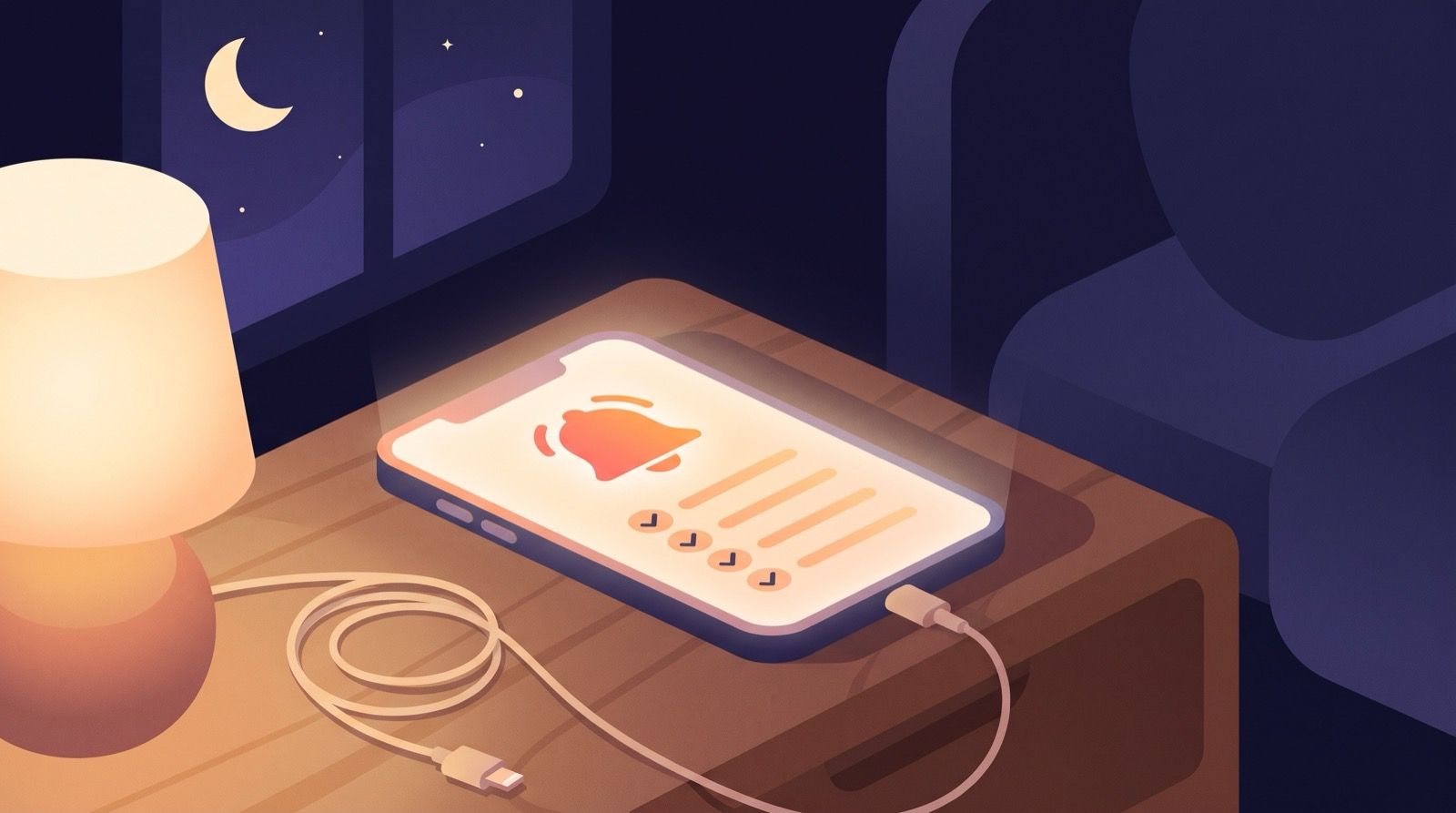
Tonight's 6-Point Checklist for an Alarm That Actually Rings
Six checks to run before bed so your alarm actually rings: volume, permissions, Do Not Disturb, battery limits, the charger, and one backup.
31 Aug 2026 · 11 min read
Tips & Tricks
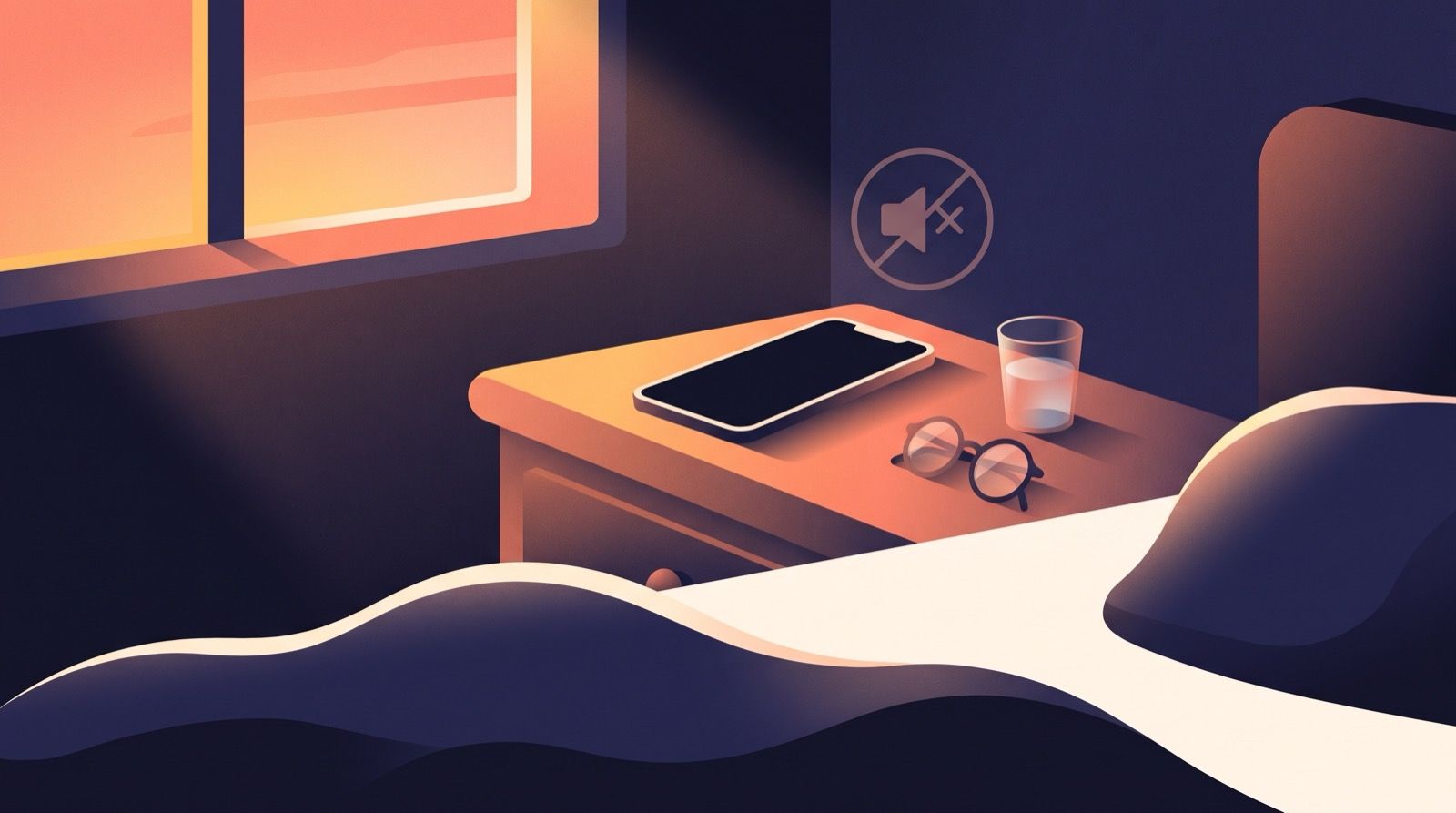
iPhone Alarm Didn't Go Off? The 7 Real Causes
Your iPhone alarm never rang. Here are the seven causes that actually explain it, how to check each one tonight, and which ones are Apple's to fix.
31 Aug 2026 · 12 min read
Sleep Science
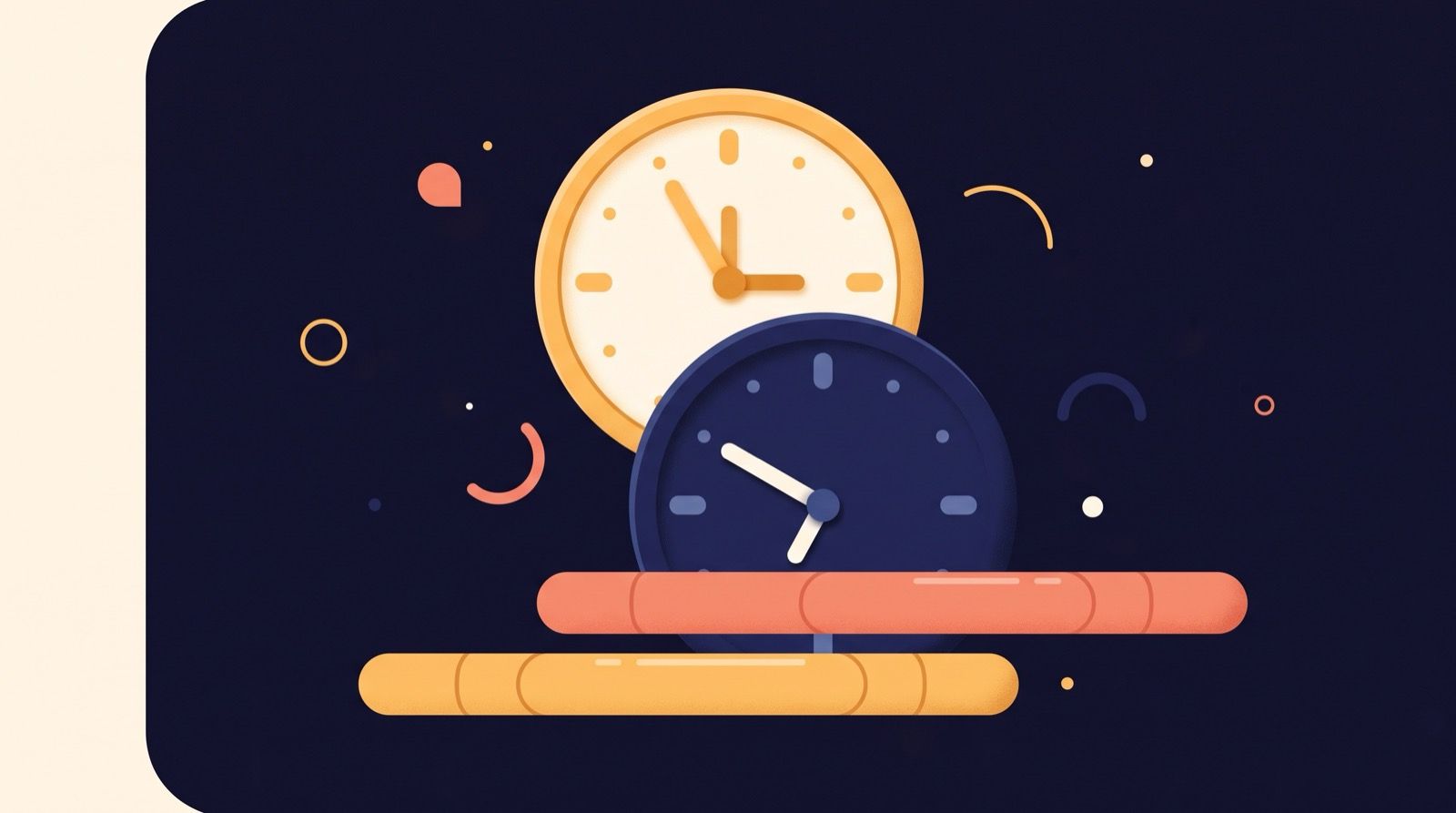
Social Jet Lag: The Monday Tax on Your Weekend Sleep-In
Sleeping in on Saturday shifts your body clock later, then Monday's alarm fires at your biological 4 AM. The midsleep math, and the one hour rule.
30 Aug 2026 · 12 min read
Sleep Science
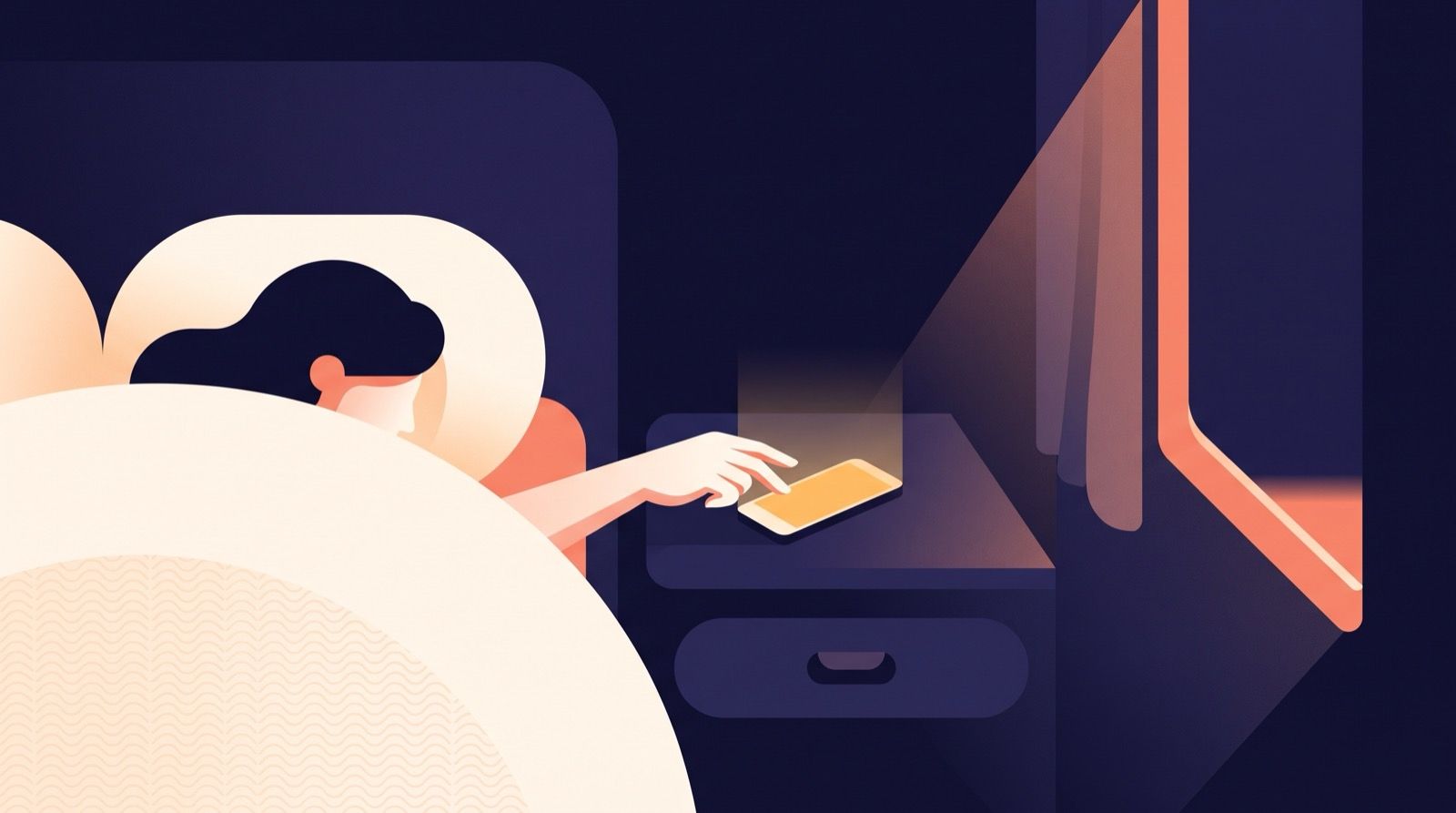
Why You Sleep Through Alarms You Don't Remember Dismissing
Dismissing an alarm is a practised motion your brain can run while barely awake, and never record. The real mechanism, and what actually raises the bar.
30 Aug 2026 · 12 min read
Sleep Science
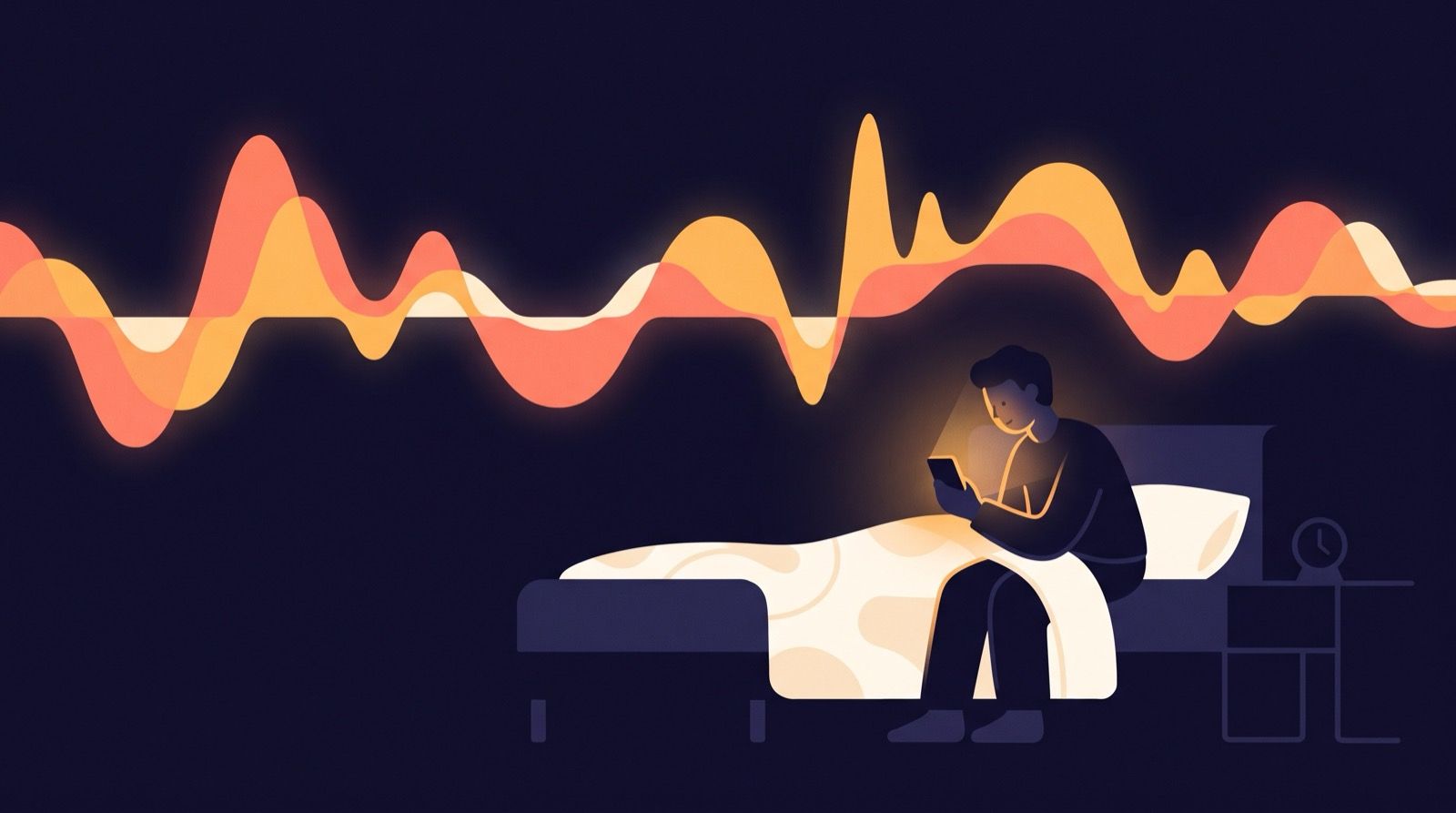
The 90-Minute Myth: What Sleep Cycles Actually Mean for Your Bedtime
Sleep cycles are not a fixed 90 minutes. They run roughly 70 to 120. Here is what that means for the bedtime you pick tonight, and what actually helps.
29 Aug 2026 · 11 min read
Morning Routines
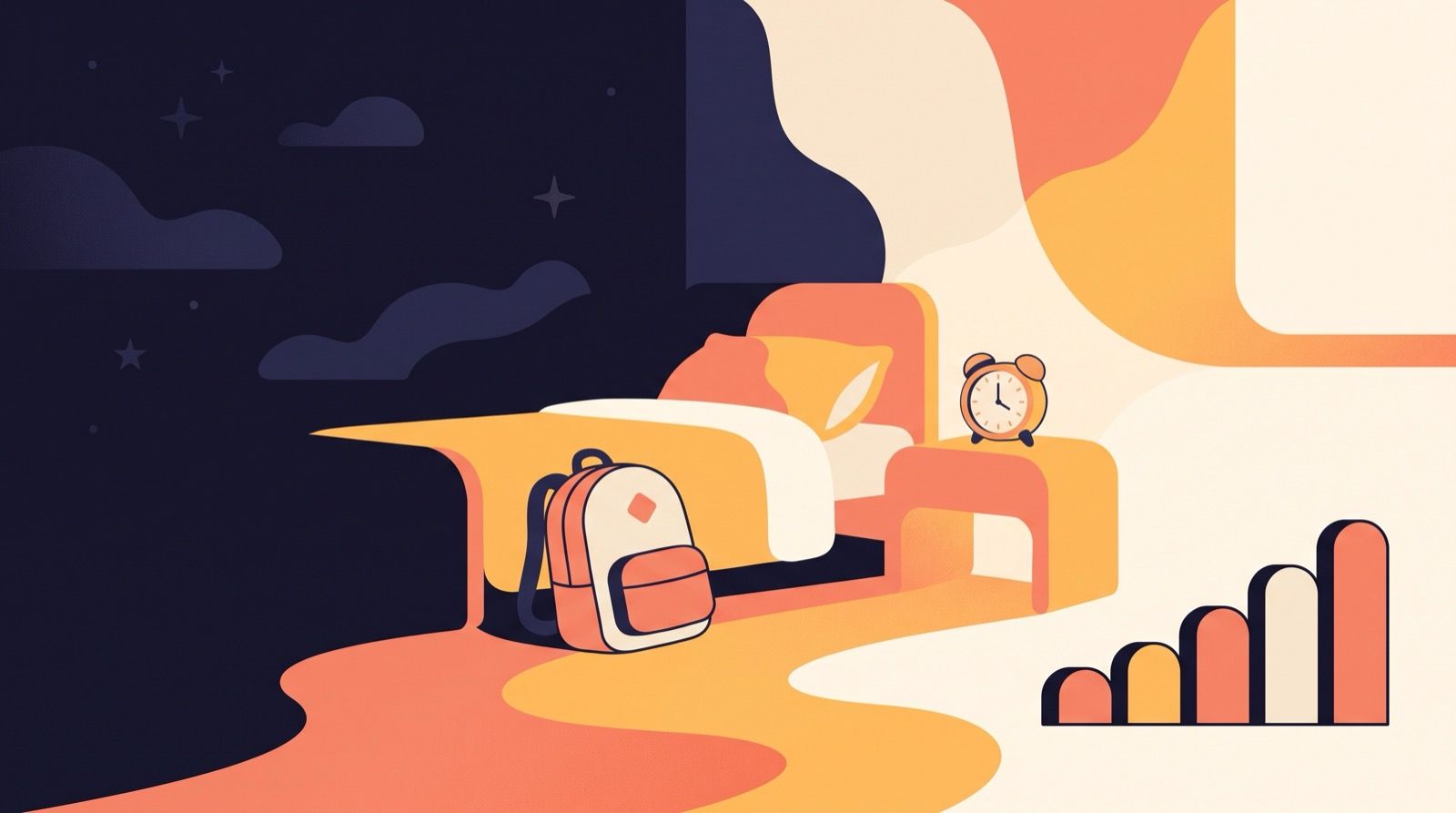
Back-to-School Mornings: Reset a Summer Sleep Schedule in One Week
A seven-day plan to shift a summer sleep schedule earlier by 15 minutes a day, anchored with morning light, and how to keep the new wake time honest.
29 Aug 2026 · 12 min read
Sleep Science
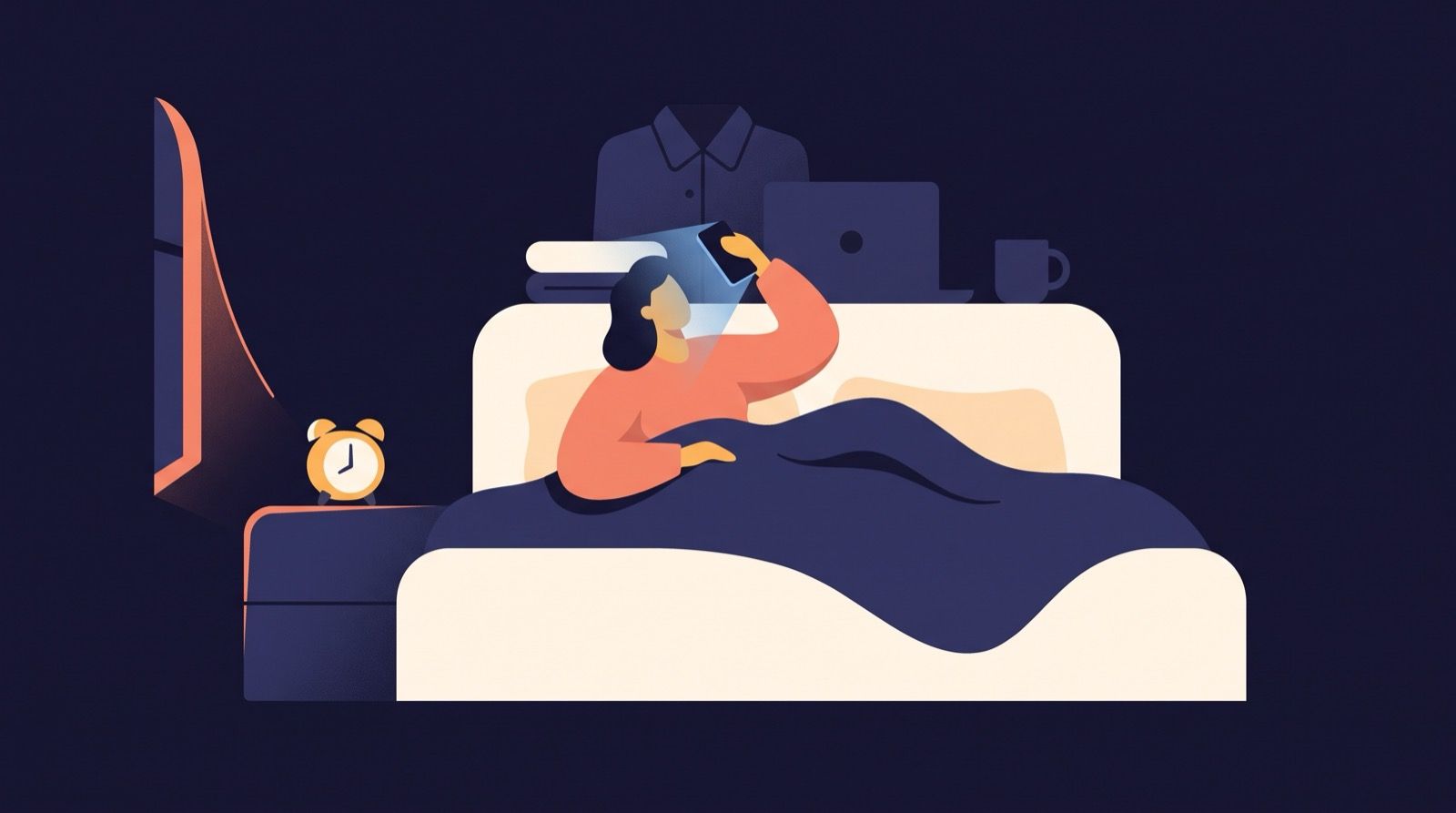
Revenge Bedtime Procrastination: Why You Sabotage Tomorrow Every Night
You're not lazy at midnight. You're reclaiming the autonomy your day took. Here's the science of revenge bedtime procrastination, and how to get the hour back.
28 Aug 2026 · 12 min read
Sleep Science
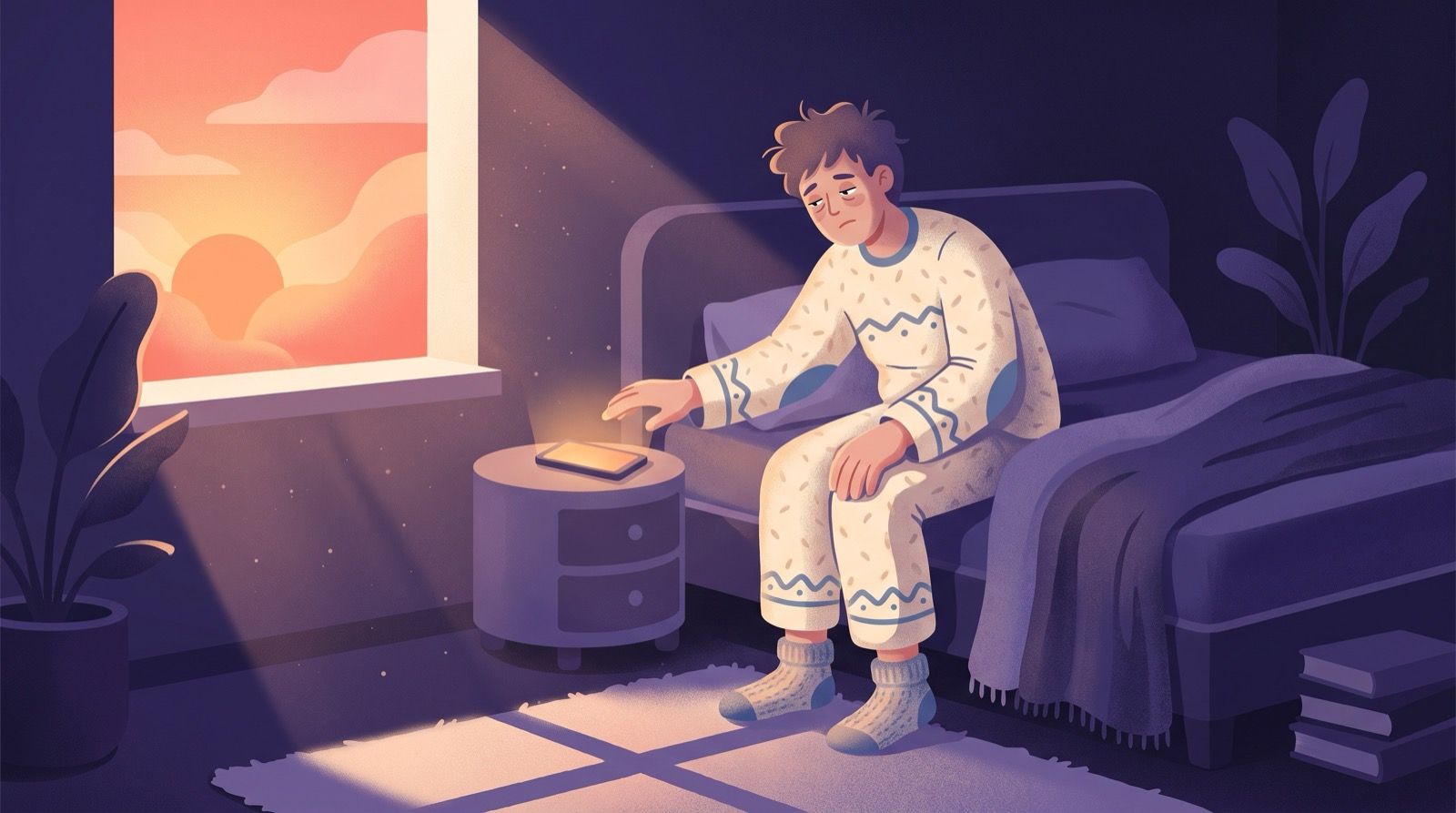
Sleep Inertia: Why You Wake Up Groggy (and How to Wake Up Sharp)
Your brain takes 15 to 60 minutes to fully boot after waking. Here's the science of sleep inertia, and what actually shortens the groggy window.
27 Aug 2026 · 7 min read